


Women in Construction Week is a great reminder of how far the industry has come and how much momentum we still need to keep building. Today, more than a million women work in construction across the United States, but they still represent only about 11% of the industry’s workforce. Many of those women are in leadership, management, and professional roles, helping guide projects, teams, and companies forward.
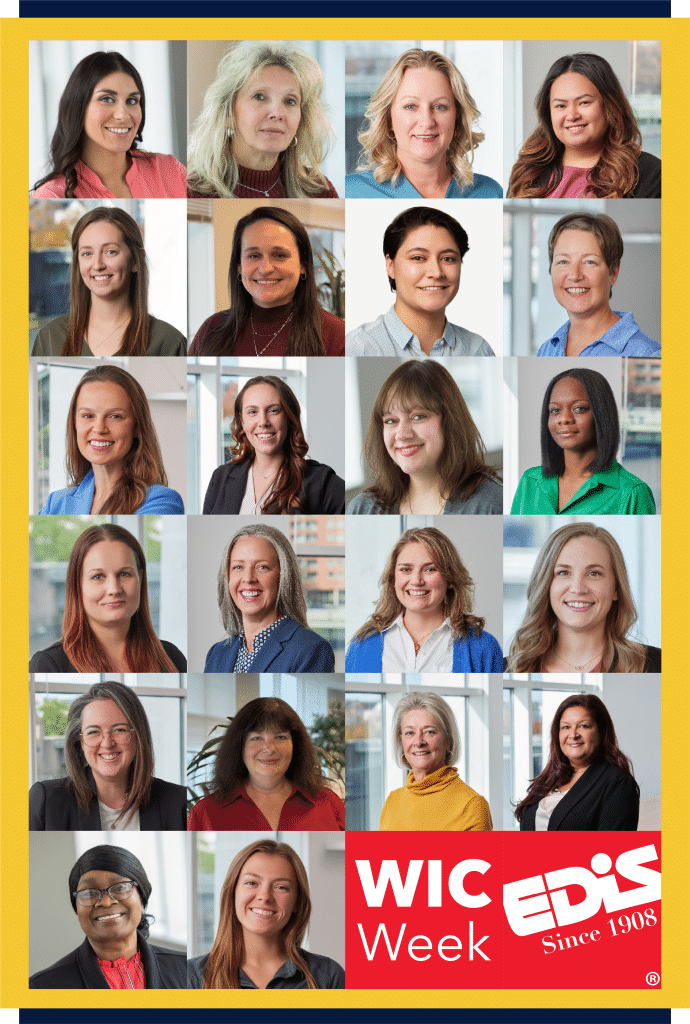
At EDiS, nearly 25% of our team is made up of women. That number didn’t happen by accident, and it’s not a headline we dust off once a year during WIC Week. It reflects real careers, real leadership, and real impact happening every day.
So let’s clear up a few myths.
Myth: Women are rare in construction.
Reality: Take a walk through our office or out onto a jobsite and you’ll see otherwise. Nearly a quarter of EDiS employees are women, contributing across the company as project managers, estimators, safety leaders, marketers, operations staff, and more. They’re helping run projects, solve problems, and move the company forward every day. Rare? Not here.
Myth: Women in construction only work in office roles.
Reality: Women at EDiS are on site every day in one capacity or another. You’ll find them in steel-toe boots walking jobsites, running coordination meetings, managing schedules, solving field challenges, and keeping projects moving forward. Some are in the office, some are in the field, and many are moving between both. Construction doesn’t offer just one path for women — there are countless ways to build a career in this industry.
Myth: Construction isn’t welcoming to women.
Reality: The world is changing, and the construction industry is evolving right along with it. Years ago, cultural norms and long-standing biases made it harder for women to find their place in this field, but those expectations are shifting. Progress doesn’t happen overnight, but it happens when people show up consistently, support one another, and create space at the table. The goal isn’t visibility just during WIC Week — it’s belonging year-round.
Myth: Construction is all brute strength.
Reality: Yes, there are parts of construction that require physical strength and heavy lifting and women are more than capable of handling that, too. But the industry is about much more than muscle. Construction requires strategy, coordination, communication, leadership, budgeting, logistics, and constant problem-solving. It’s hands-on, but it’s also analytical, technical, and collaborative. Skill, judgment, and the ability to think through challenges matter just as much, if not more, than physical strength.
Myth: Women don’t stay long-term in construction.
Reality: This isn’t just a myth about construction — it’s something women have heard across many industries for years, based on the outdated assumption that they will eventually leave the workforce to raise a family. That narrative doesn’t reflect today’s reality. Women are building long-term careers, growing into leadership roles, continuing their education, mentoring others, and balancing work and family life in their own ways. At EDiS, women aren’t just passing through the industry — they’re shaping it.
Myth: Women are new to construction.
Reality: Women have always been part of the construction industry — they just haven’t always been visible. For years, their contributions often went unrecognized or behind the scenes, but that’s changing. Today, more women are stepping forward, building careers, leading projects, and proudly saying, “Hey, we’re here.” The momentum is real, and the focus now is making sure it continues to grow, not stall.
Myth: Women must choose between career and family.
Reality: Women in construction are balancing leadership, careers, families, and everything in between. At EDiS, we see women showing up as project managers, estimators, coordinators, and leaders — and also as parents, caregivers, and community members. There isn’t one definition of success, and there isn’t one path. Construction careers can be flexible, long-term, and built around real life.
Looking Ahead
For young women and students wondering if there’s a place for you here — there is. Construction needs problem-solvers, communicators, organizers, leaders, planners, creatives, and people who aren’t afraid to speak up. It needs confidence and collaboration. It needs diverse perspectives.
And for the industry as a whole, progress requires consistency. Not a spotlight once a year. Not a social post and then silence. Real inclusion means continuing to hire, mentor, promote, and support women across every discipline and making sure the next generation sees what’s possible.
The momentum is going in the right direction. Let’s not lose it.


