


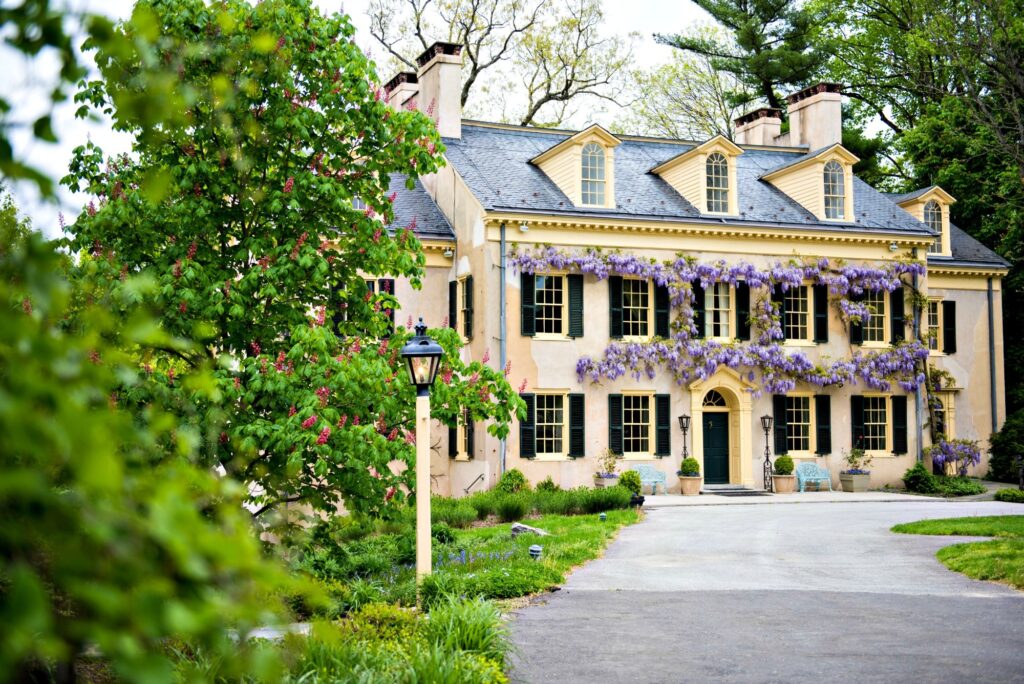
Across many communities, some of the most meaningful buildings were constructed more than a century ago. Schools, civic buildings, and cultural spaces built in the late 1800s and early 1900s were designed to last and many of them still serve as important community landmarks today. Renovating these historic structures presents a unique opportunity: modernize a building so it can serve today’s needs while protecting the architectural character and craftsmanship that make it special.
But historic renovations are rarely straightforward.
At EDiS, we’ve spent decades working with historic buildings across the region. Through projects like the renovation of Howard High School’s historic 1927 campus and the restoration of Wilmington’s 1855 Custom House, our team has developed a deep understanding of how to carefully modernize aging structures without losing their identity.
Why Early 1900s Buildings Are Different
Buildings constructed in the early 20th century, and earlier, were built using materials and techniques that predate modern building systems, life-safety codes, and mechanical infrastructure. Because of that, renovation projects often reveal conditions that are very different from what original drawings or past renovations might suggest.
Common discoveries can include:
- Structural systems that rely on historic methods rather than modern connections
- Foundations made from stacked stone or brick vaults
- Floors that are not perfectly level and walls that are not perfectly square
- Limited space above ceilings for modern HVAC, electrical, and technology systems
- Environmental materials such as lead-based paint or asbestos
In historic buildings, the true condition of the structure often isn’t fully understood until portions of the building are carefully opened and investigated.
That’s why experience matters.
Respecting the Building’s Integrity
Historic renovation isn’t about replacing the past—it’s about working with it. Preserving architectural features such as original masonry, windows, or structural elements helps maintain the identity of the building while ensuring it can safely serve modern occupants.
For example, during the restoration of Wilmington’s historic Custom House, the project required reinforcing the building’s original stacked stone foundation rather than removing it. Protective steel piles and structural supports were installed to stabilize the historic structure while maintaining the integrity of the original construction.
Similarly, historic renovation projects often involve restoring or reinforcing structural systems while introducing new steel framing or concrete decks to support modern building loads.
The goal is always the same: strengthen the building without erasing its history.
Modern Technology Meets Historic Craftsmanship
Today’s construction tools are helping teams better understand historic buildings before projects even begin.
Technologies like 3D laser scanning and digital modeling allow construction teams to capture every detail of an existing structure—including irregular walls, hidden framing, and structural systems—before construction begins.
On complex historic renovations, these digital models help ensure that new systems can be integrated without damaging historic features or causing costly redesigns later in the project.
In many ways, modern technology allows construction teams to have a deeper respect for historic craftsmanship by helping them work more precisely within existing conditions.
Planning Is Critical for Historic Renovations
One of the biggest lessons learned from historic renovation projects is that early planning and investigation are essential. Historic buildings often contain hidden conditions that can affect both schedule and budget. Identifying those conditions early through structural investigation, environmental testing, and careful preconstruction planning, allows teams to address them proactively rather than reactively.
Without that preparation, renovation projects can fall into a stop-and-start cycle as new conditions are discovered mid-construction.
Experienced teams approach historic renovation differently than more modern projects because they understand that the building’s history must be studied before it can be transformed.
Preserving Buildings That Shape Our Communities
Historic buildings are more than structures—they are part of a community’s story.
Schools, civic buildings, and cultural spaces constructed more than a century ago were designed with care and craftsmanship that deserves to be preserved. When renovated thoughtfully, these buildings can continue serving their communities for generations to come.
At EDiS, we believe historic renovation is about more than construction. It’s about respecting the past while ensuring buildings remain functional, safe, and inspiring for the future.
Because when historic buildings are preserved and renewed, communities don’t just keep their landmarks—they keep their history alive.


