


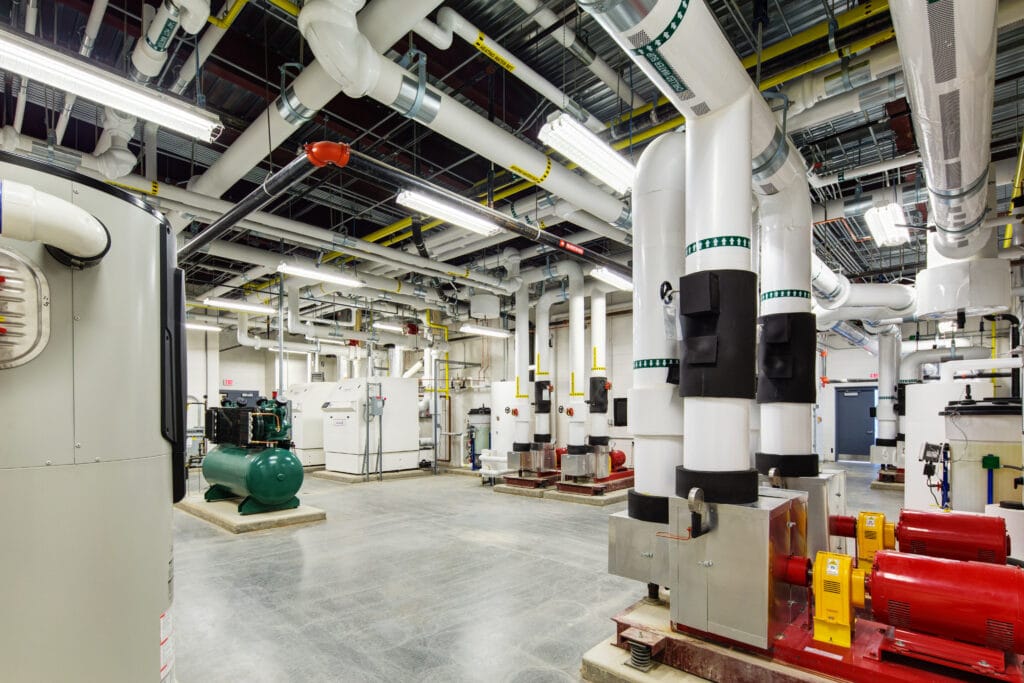
Historic buildings tell stories that modern construction simply cannot replicate. Their craftsmanship, architectural details, and connection to the past make them valuable assets worth preserving. But behind the character and charm of these structures lies one of the most complex challenges in construction and renovation: integrating modern mechanical, electrical, and plumbing (MEP) systems into buildings that were never designed to support them.
From HVAC and electrical infrastructure to fire protection, data systems, and accessibility upgrades, modern building performance standards place significant demands on historic structures. Successfully integrating these systems requires more than technical knowledge alone. It demands careful coordination, creative problem solving, and a deep respect for the building’s original design and materials.
Balancing Preservation with Performance
Many historic buildings were constructed long before central air conditioning, advanced electrical systems, or modern plumbing standards existed. Original floorplans often contain limited ceiling space, tight wall cavities, thick masonry, or exposed architectural features that cannot simply be removed or altered.
Unlike new construction, where systems can be designed around open spaces and predictable layouts, historic renovation projects require teams to adapt systems to existing conditions. Every routing decision matters. Ductwork, piping, conduit, and cabling must often navigate around structural limitations, ornamental finishes, historic woodwork, decorative plaster, or original masonry.
The challenge is not simply making modern systems fit — it is making them fit without compromising the historic integrity of the building.
That process starts with extensive investigation and coordination. Existing conditions must be carefully documented through field verification, scanning technology, and exploratory work before installation begins. In many cases, teams uncover hidden conditions behind walls or above ceilings that were never captured in original drawings, requiring real-time problem solving and close collaboration between engineers, architects, and field teams.
Protecting Historic Materials and Finishes
Historic materials are often irreplaceable. Decorative plaster ceilings, original wood trim, stone facades, historic windows, and ornate detailing require protection throughout the construction process.
Even relatively small MEP upgrades can create risk if work is not carefully planned. Installing new systems may involve routing through confined spaces, selectively opening walls, or coordinating around delicate finishes that have existed for decades — or even centuries.
Successful historic renovation projects rely heavily on sequencing and precision. Contractors must identify opportunities to minimize demolition, conceal new systems where possible, and reduce visible impact on historic features. In some cases, custom solutions are required to preserve original aesthetics while still meeting modern operational demands.
This level of coordination often extends beyond the visible finishes. Structural systems, load limitations, moisture control, and vibration concerns all play a role when introducing modern equipment into aging buildings.
Improving Energy Efficiency in Aging Buildings
Historic buildings also present unique challenges when improving energy performance. Older structures were not designed around today’s efficiency expectations, yet owners increasingly want buildings that operate sustainably and economically.
Modern HVAC systems, upgraded insulation strategies, improved controls, LED lighting, and high-efficiency plumbing fixtures can dramatically improve building performance. However, these upgrades must be implemented carefully to avoid negatively impacting historic materials or altering the building’s appearance.
For example, introducing new insulation or sealing strategies without understanding how the original building was designed to breathe can create unintended moisture issues. Similarly, replacing historic windows may improve efficiency in the short term but diminish the architectural character that makes the building valuable in the first place.
The most effective solutions strike a balance between preservation and modernization — improving occupant comfort and operational efficiency while respecting the building’s historic identity.
Meeting Modern Codes and Accessibility Standards
In addition to performance upgrades, historic renovation projects must also address modern building codes, life safety requirements, and accessibility standards.
Fire protection systems, emergency power, lighting, elevators, accessible entrances, and updated restrooms are often essential components of a historic renovation project. Integrating these systems into existing structures requires careful coordination, particularly when working within buildings that were constructed under vastly different standards and construction methods.
Every modification must consider both compliance and preservation. Teams must evaluate how to introduce required upgrades while minimizing disruption to significant architectural elements and maintaining the building’s historic character.
This is where experience becomes critical. Historic renovations require construction teams that understand both modern building systems and the complexities of working within existing structures. There is rarely a one-size-fits-all solution. Each building presents its own constraints, hidden conditions, and opportunities.
Creative Solutions Drive Successful Historic Renovations
No two historic renovation projects are alike. The success of these projects depends on collaboration, flexibility, and a willingness to adapt as conditions evolve.
At EDiS, integrating modern MEP systems into historic buildings is approached as both a technical challenge and a preservation responsibility. Through careful planning, coordination, and creative problem solving, historic structures can continue serving modern needs while maintaining the character and craftsmanship that make them worth preserving.
When done successfully, these projects allow historic buildings to remain active, functional parts of the community for generations to come — combining the strength of the past with the performance expectations of today.


