


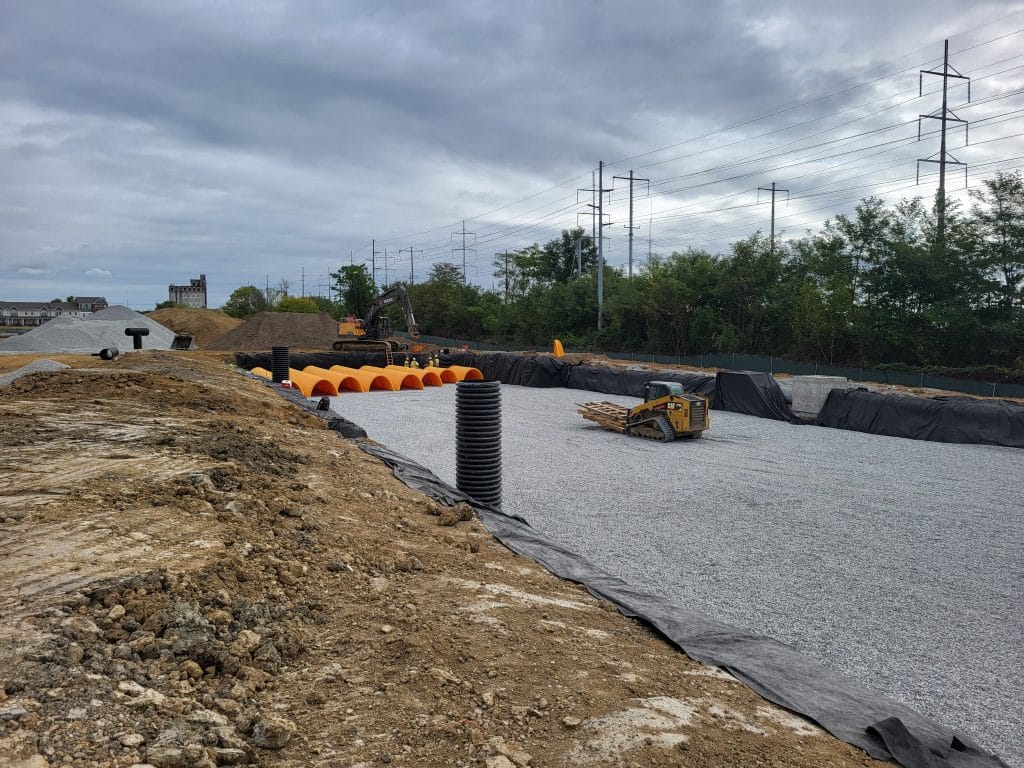
April is National Safe Digging Month. But if you work in construction, safe digging isn’t a once-a-year reminder – it’s a decision that gets made every single morning before work starts.
I’ve spent a lot of my time in this industry thinking about how to keep the men and women in construction safe and healthy at work.
What I’ve come to believe is this: incidents are preventable.
Incidents can happen when pre-planning breaks down — when someone is rushed or in a hurry, when the process is not followed, when nobody felt like they could speak up, or voice a concern early or during the excavation, bad things could happen.
So this month, I want to talk about two things: what we as employers should be doing before a shovel hits the ground — and what men and women doing the work should expect.
The numbers tell us what we already know:
Industry data suggests more than 75% of construction accidents occur when no pre-task safety plan is in place1.
Think about that. The majority of incidents can be avoided. Incidents are the predictable result of skipping a step that should have happened before work began. And according to ABC’s Safety Performance Report, companies that integrate safety pre-planning into estimating, bid, and pre-mobilization phases see a 53% decrease in recordable incidents2.
As a Construction Manager, or a General Contractor, a pre-task planning process is a necessary part of any process.
Excavation work has a lot of complexities – preparing to precisely locate utilities, especially when you can’t see them, soil classification, hazard identification and method of controls. When one piece gets skipped, that’s usually where things go wrong. Using a utility locating company, calling 811, providing a competent person on site, a documented plan the whole crew understands — these are basic practices. They’re the things we should be willing to do to keep each other safe.
At EDiS, our process includes:
- A Job Hazard Analysis
- A Pre-Install Meeting
- A Daily Excavation Permit
- On-site excavation processes
Every excavation, every project, every day. You may experience a time limit; you should always be prepared to add whatever time is necessary to achieve a safe and successful excavation. If you think the pressure is on, you should be comfortable speaking up to give your concerns and apply proper methods to eliminate the probability of an unwanted occurrence. This may add time to the schedule, but it is absolutely worth the extra time and preparation to keep each other from injury or worse.
The process exists because people matter more than speed.
There appears to be pressure on every job – schedule discussions, budget discussions, the feeling that you don’t want to be the one who slows things down. I understand. But here’s what I want every person on a job site to know: you are permitted to stop work and ask questions. You are always allowed to be the one to say, “this doesn’t feel right.” And any CM, GC, or employer worth working for, will listen when you do.
The bottom line
That’s what Project Zero is about – not a checklist, not a compliance requirement. Just the belief that everyone who shows up to work today deserves to go home at the end of their shift. Plan and proceed like it matters. Because it does.
Sources:
1 https://safetyclerk.com/blog/construction-safety-with-pretask-preshift-plans


